


Hands-On Stations: How an Art Museum for Kids Inspires Creativity
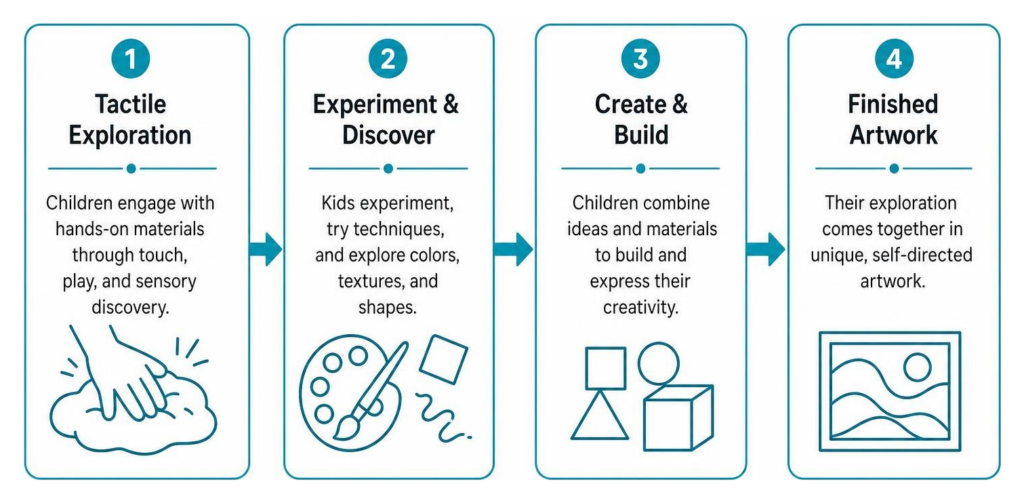
Modern family-friendly cultural spaces have moved away from hushed, hands-off rooms. Instead, they embrace dynamic studio zones where young visitors can touch, build, test, and experiment. When children see an abstract painting, a vibrant sculpture, or an intricate pattern on display, their first instinct is often to figure out how it was made. Hands-on art labs satisfy that curiosity by translating complex fine art techniques into accessible, playful projects.
At an interactive studio like the KIDS ROCKWELL Art Lab, children can work with everyday materials to mirror the techniques of featured artists. Collaborative masking tape murals invite young visitors to map out geometric patterns across broad wall spaces, while bendy pipe cleaners transform into three-dimensional sculptures.
These creative spaces encourage open-ended experimentation. Stations featuring multi-colored blocks, tracing easels, and mixed-media collages let kids construct their own mini-masterpieces at their own pace. If you are exploring local creative options in Clark County, programs like the Kids Art Buffet offer similar tactile freedom, giving children self-directed access to a variety of craft mediums where their imagination sets the rules.
Sensory and Tactile Play in an Art Museum for Kids
Early childhood development is deeply tied to sensory exploration. For infants, toddlers, and preschoolers, working with varied textures builds essential fine motor control, hand-eye coordination, and spatial awareness. Early childhood art spaces, such as MoPA: Museum of Play and Art, design their environments specifically for ages 1 through 7, recognizing that play-based tactile discovery forms the foundation of lifelong creative confidence.
Within dedicated early learning art spaces, tactile stations generally focus on responsive, messy materials:
- Squishing and Sculpting Clay: Modeling clay and play dough strengthen finger muscles while introducing three-dimensional form and volume.
- Sensory Finger Painting: Exploring washable tempera paint directly with hands helps young toddlers discover cause-and-effect and color blending.
- Fabric and Collage Textures: Layering soft felts, smooth ribbons, rough cardboard, and shiny paper teaches tactile discrimination and pattern design.
- Research and Light Boxes: Sorting translucent shapes, exploring mirrors, and manipulating sand trays turn abstract concepts into tangible play.
When toddlers are given the freedom to create unconventional artwork—like whimsical puppets with three eyes or bright purple clay creatures—they learn to trust their creative instincts.
Digital Media, Soundscapes, and High-Tech Studio Stations
Modern children’s studios also blend traditional arts with science, technology, and acoustic play. High-tech discovery spaces, such as the 81st Street Studio – The Metropolitan Museum of Art, invite kids to investigate how different raw materials behave. By exploring how wood, metal, stone, and clay resonate differently, children connect sensory physics directly to the artifacts they encounter in gallery collections.
Interactive digital printmaking stations allow children to design custom patterns, layer colors, and project their digital creations onto expansive light walls. Other popular high-tech studio setups include:
- Acoustic Exploration Walls: Custom xylophones, castanet installations, and resonant wave boards that show how physical materials alter pitch and tone.
- Shadow and Silhouette Tracing: Adjustable spotlights and light tables that let children experiment with scale, perspective, and contrast by tracing silhouettes.
- Collaborative Light Boards: Large-scale digital pegboards (like the Everbright) where kids twist dials to generate illuminated patterns and digital mosaics.
- Field Explorer Kits: Interactive quests and digital notebooks that challenge kids to look closely at exhibit details to unlock badges and stamps.
These STEAM-centered activities prove that art appreciation spans visual culture, acoustics, material science, and storytelling.
Age-by-Age Guide to Family Art Exhibits and Workshops
Every child experiences an art space differently depending on their developmental stage. A toddler needs open physical space and tactile stimulation, an elementary-aged child thrives on guided discovery games, and a teenager looks for self-expression and advanced technical skills.
Many family art programs offer drop-in weekend sessions and open studios where families can create projects inspired by current exhibitions. For instance, attending a collaborative Family Fun Paint Jam lets parents and children paint side-by-side, creating shared memories while practicing new brush techniques.
Choosing the Right Art Museum for Kids by Age Group
To help you choose the best activities for your family’s next cultural outing, here is a breakdown of age-appropriate museum experiences:
| Age Group | Key Developmental Focus | Ideal Museum Activities & Programs | Recommended Visit Duration |
|---|---|---|---|
| Infants & Toddlers (0–3 yrs) | Visual stimulation, fine motor skills, sensory discovery | Front-carrier stroller walks, tactile soft-play zones, baby finger painting, color light tables | 45–60 minutes |
| Preschoolers (3–5 yrs) | Storytelling, basic color theory, imaginative pretend play | Storytime gallery sessions, puppet workshops, open clay play, self-guided animal scavenger hunts | 1–1.5 hours |
| School-Age Kids (6–11 yrs) | Technique building, visual literacy, STEAM inquiry | Digital printmaking, collaborative tape murals, gallery quest cards, 1-day studio workshops | 1.5–2.5 hours |
| Teens (12–18 yrs) | Self-identity, technical mastery, portfolio preparation | Teen arts councils, vocational internships, pre-college studio courses, youth art exhibitions | 2–3 hours |
Teen Portfolios, Leadership, and Vocational Studios
Art spaces also offer meaningful resources for middle and high school students. High schoolers interested in creative careers can take advantage of teen-centered programs that bridge personal interest with professional development:
- Portfolio Building Classes: Intensive studio courses designed to help students create competitive portfolios for college admissions and fine arts scholarships.
- Teen Advisory Councils: Museum-sponsored youth boards where teenagers organize peer events, curate pop-up shows, and advise educators on youth programming.
- Paid Museum Assistantships: Vocational opportunities where teens gain public speaking, event coordination, and leadership experience by assisting staff in family classrooms.
- Community Competitions: Juried exhibitions and contests, such as the 2nd Annual Recycled Art Contest, that give emerging young artists a platform to display their work in public venues.
These experiences empower young adults to find their creative voices while building practical career skills.
Essential Planning Tips: Admissions, Accessibility, and Logistics
A successful family outing comes down to smart preparation. Large cultural venues can feel overwhelming for young kids, but a little advance planning ensures a fun, low-stress day for everyone.
- Take Advantage of Free Youth Admission: Many cultural centers and museums offer free general admission for kids and teens aged 18 and under. Additionally, families participating in SNAP, WIC, or EBT assistance programs can frequently access free or deeply discounted admission through nationwide community access programs.
- Check Stroller and Carrier Guidelines: Most galleries welcome standard lightweight strollers and front-facing baby carriers. However, oversized jogging strollers and wagons are often restricted to protect both the artwork and foot traffic. Look for venues with free stroller check rooms or rental options at the front desk.
- Plan Around Sensory Needs: If your child is sensitive to sound, crowds, or bright lights, look for sensory-friendly morning hours. Many facilities provide free sensory kits equipped with noise-canceling headphones, tactile fidget toys, and social narrative guides to help children navigate their visit smoothly.
- Locate Quiet and Snack Zones: Food and drinks are generally prohibited in exhibition galleries to safeguard the collection. Make note of outdoor courtyards, ground-floor snack spots, and dedicated family lounges where you can take a breather, enjoy a quick snack, or recharge between activities.
- Browse Event Schedules in Advance: Check our dedicated Art category and regional Exhibits category before heading out to catch rotating workshops, pop-up artist demonstrations, and special family play days.
Frequently Asked Questions About Art Museum Activities
Are interactive art museum activities free for children?
At many institutions, general entry for guests aged 18 and under is completely free, and drop-in studio spaces are included with general admission. Many specialized children’s discovery spaces do not require main gallery tickets at all, operating as free community learning hubs. Families receiving SNAP, WIC, or EBT benefits often qualify for free admission passes or complimentary annual memberships through access initiatives.
How do museums accommodate toddlers and sensory-sensitive kids?
Family-friendly venues accommodate sensory-sensitive guests with pre-opening sensory hours featuring dimmed lights, lower sound levels, and limited capacities. You can also find dedicated quiet spaces, bilingual adventure guides, loaner noise-canceling headphones, and toddler soft-play areas featuring foam blocks, playmats, and board books.
What should families bring when visiting a hands-on art lab?
Dress your children in comfortable, mess-friendly clothing, as washable paints, clay, and inks can still leave marks on delicate fabrics. Bring a front-facing baby carrier for infants, a small sketchbook with pencils for gallery drawing, and any necessary sensory tools your child prefers. During peak school breaks and weekends, remember to reserve your timed-entry tickets online in advance to guarantee your spot.
Conclusion
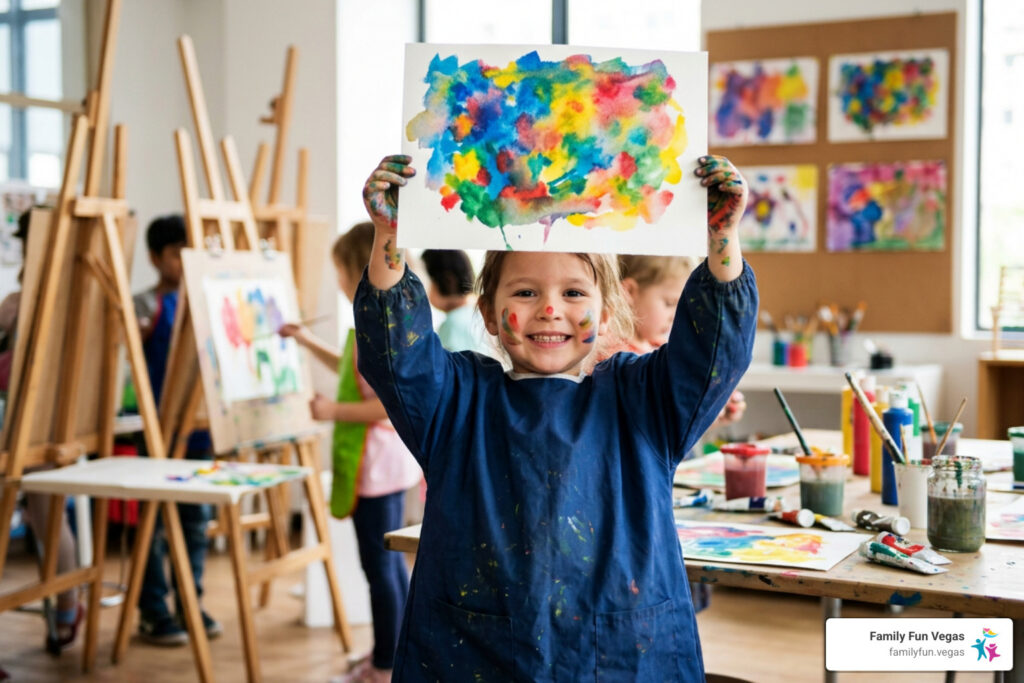
Introducing your children to an art-focused discovery space transforms how they view their own creativity. By balancing quiet gallery walks with vibrant, hands-on maker studios, kids learn that art is not just something hanging on a wall—it is a hands-on process of problem-solving, material exploration, and personal storytelling.
Whether you are molding clay with a toddler, building a portfolio with a teenager, or enjoying an afternoon of family painting, these cultural outings build memories that foster lifelong curiosity. For local families looking to spend a day immersed in interactive wonder, planning an outing to the Discovery Children’s Museum offers the perfect blend of hands-on creativity, tactile exploration, and artistic discovery right here in our community.