


The Health and Developmental Benefits of Nature Play
Spending quality time outside is essential for a child’s healthy physical, emotional, and intellectual growth. Regular exposure to fresh air and natural sunlight boosts overall physical fitness and significantly decreases the risk of childhood obesity. Outdoor settings encourage gross motor play—such as running, climbing, jumping, and balancing—that builds strong bones, muscular coordination, and cardiovascular health.
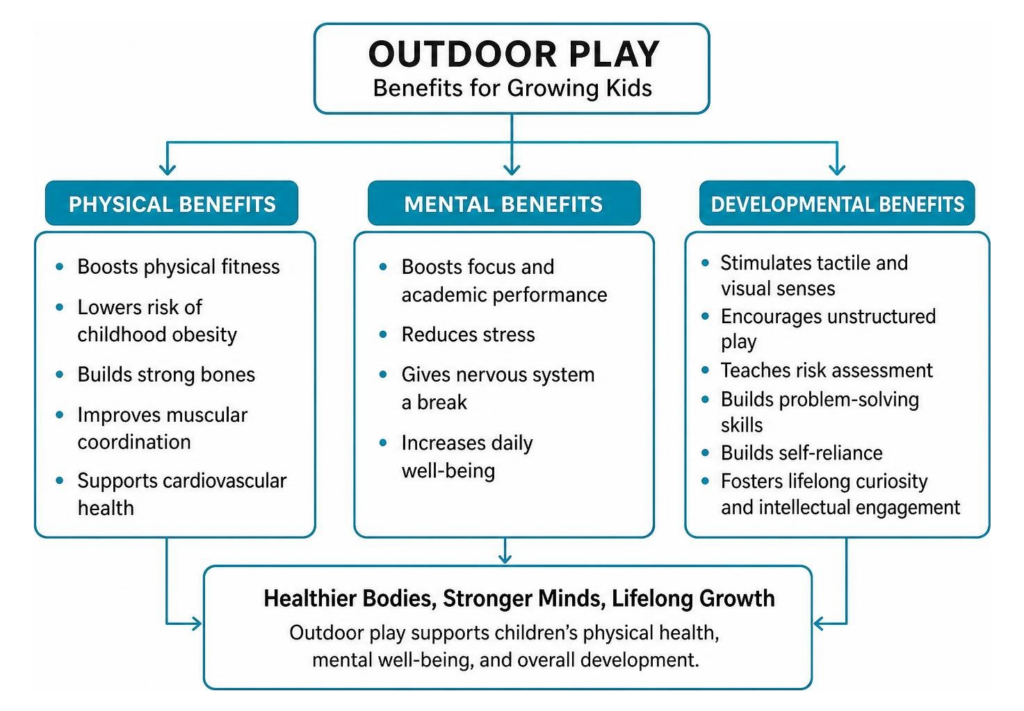
Beyond physical wellness, nature acts as a natural booster for focus and academic performance. Stepping away from indoor stimulation and screens gives kids’ nervous systems a break, reducing stress and increasing feelings of daily well-being. Outdoor environments stimulate tactile and visual senses through unstructured play, teaching children how to assess risks, solve problems creatively, and build self-reliance. As noted in recent Scientific research on nature play, engaging the senses outdoors fosters lifelong curiosity and intellectual engagement.
Core Routines to Master Outdoor Family Activities
Building a consistent routine is the easiest way to make outdoor family activities a permanent, stress-free part of your lifestyle. Here are ten simple habits to elevate your family’s fresh-air outings.
Habit 1: Start a Daily Green Hour for Outdoor Family Activities at Home
You do not need to pack up the vehicle or drive across town to enjoy nature. Establishing a daily “Green Hour”—a dedicated 60-minute window for outdoor play—right in your own yard, patio, or neighborhood courtyard works wonders.
Here are a few low-prep ideas to keep kids busy in your outdoor space:
- Leaf and Bark Tracing: Place fresh leaves or tree trunks under plain paper and rub over them with the flat side of a crayon to reveal intricate patterns.
- Sensory Mud Kitchens: Set aside a small soil patch or container with old metal pie tins, buckets, and water so younger kids can mix up dirt “recipes.”
- Shadow Tracing: Use sidewalk chalk to outline each other’s shadows at morning, noon, and late afternoon to track how the sun moves across the sky.
- Micro Bug Hunts: Turn over small landscaping rocks or shake tree branches over a white sheet to discover and observe local insects.
Habit 2: Assemble a Free-Range Adventure Tool Kit
Children become much more engaged with the outdoors when they have physical tools to explore their surroundings. Keep a pre-packed tote or backpack ready to grab whenever you head out the door.
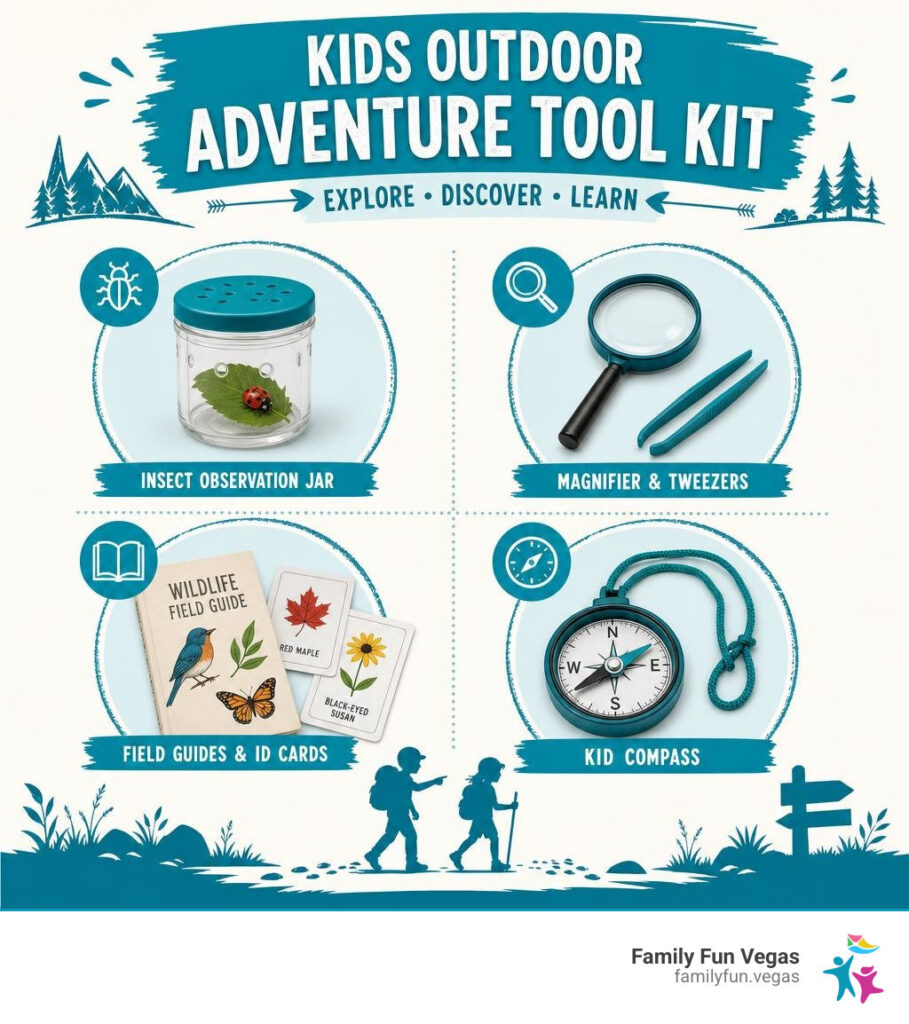
A solid adventure tool kit includes:
- Clear plastic jars with air holes for temporary insect observation
- Sturdy magnifying glasses and small plastic tweezers
- Pocket-sized wildlife field guides or plant identification flashcards
- Kid-friendly compasses for learning basic directional navigation
- Sun paper (cyanotype paper) to create solar prints of leaves and pebbles using sunlight
Habit 3: Adapt Outings for Changing Seasons and Extreme Weather
Outdoor adventures should adjust alongside seasonal shifts. In dry, sunny desert climates like Southern Nevada, summer daytime temperatures mean outdoor play needs to pivot to early morning hours, shaded retreats, or cool evening adventures. If you need seasonal strategies to manage heat, review our tips on How Las Vegas Locals Stay Cool and Sane During Summer Break.
In milder seasons, try building DIY solar ovens out of cardboard pizza boxes and aluminum foil to melt marshmallows using direct sunlight. When cooler weather arrives, pack warm thermoses of cider or hot chocolate for a brisk winter park picnic.
Habit 4: Gamify Nature Exploration with Scavenger Hunts and Quests
Transform standard walks into exciting quests by introducing interactive elements. Turning an outing into a game keeps kids moving and prevents the classic “my legs are tired” complaints.
- Treasure Map Paddling & Hiking: Draw simple visual maps with markers for kids to follow down scenic park trails or during family paddle trips, much like a structured Family Scavenger Hunt Kayak Camp.
- Nature Bingo: Create cards featuring items like pinecones, smooth river rocks, yellow flowers, and bird feathers for kids to cross off as they spot them.
- Photo Scavenger Hunts: Challenge older kids and teens to take close-up photos of five distinct leaf textures or different animal tracks along the trail.
Habit 5: Utilize Local Community Parks and Free Municipal Facilities
Exploring the outdoors does not have to break the bank. Local municipal parks feature wide-open spaces, shaded walking loops, and specialized play structures that cost nothing to enjoy.
Explore local options through our comprehensive guide to local Parks, or explore the expansive grounds of Aliante Nature Discovery Park, which features dinosaur-themed discovery areas and scenic walking paths. Check out local park schedules managed by Clark County Parks & Recreation to find nearby fitness zones, greenways, and public play areas.
Habit 6: Tailor Outdoor Family Activities for Toddlers, Young Kids, and Teens
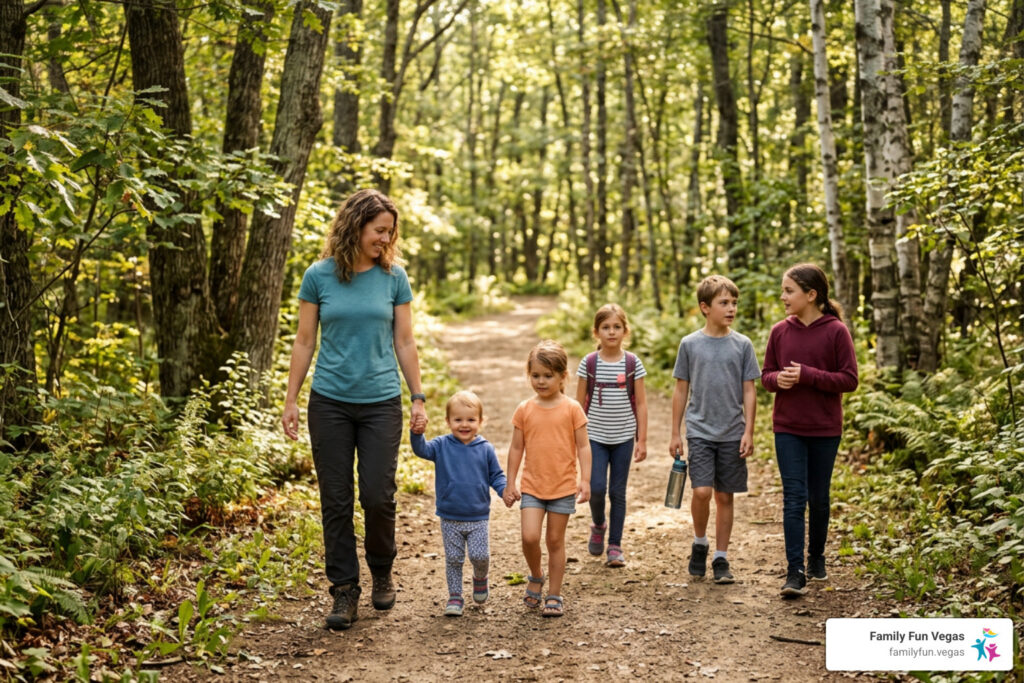
A successful family outing accounts for the different energy levels and physical limits of every age group:
Keep toddlers happy with low-stress sensory stops, flat paths, and frequent snack breaks. Young kids thrive when given specific tasks, like leading the path using trail maps or tracking wildlife signs. For teens, focus on high-energy options, such as exploring designated Bike Trails or taking high-resolution nature photography.
Habit 7: Stay Cool with Water Recreation and Shady Escapes
When temperatures rise, water play is the best way to keep everyone comfortable while enjoying fresh air.
Seek out a neighborhood Splash Pad for easy, low-prep cooling, or spend the day at high-energy waterparks like Cowabunga Bay. On hot days, planning trips around canopy-covered play structures or natural creek-wading spots makes all the difference. Read our guide to Discover Shady Parks in Las Vegas to locate the best tree-covered greenspaces across the valley.
Habit 8: Try Guided Outdoor Programs and Specialized Classes
If you want a break from planning, let local park naturalists and community leaders guide your adventures. Structured outdoor classes offer expert instruction while introducing your family to new skills.
Look out for regional family events, such as guided archery instruction, entry-level canoeing, or beginner nature walks inspired by programs like Family Funday at Greenway. Joining a hands-on guided experience—like a organized Family Creek Exploration—allows kids to dip nets into streams and learn directly from nature experts.
Habit 9: Experience Nighttime Outdoor Adventures and Wildlife Watching
The outdoors changes completely once the sun sets, opening up an entirely new world of sensory discovery.
- Nighttime Flashlight Tag: Turn your backyards or illuminated park spaces into a fun nighttime game arena.
- Stargazing and Moon Tracking: Bring a blanket and a basic astronomy app to identify major constellations, planetary alignments, and lunar phases.
- Urban Wildlife Watching: Set up dusk watches near local bridge structures, nature preserves, or park lakes to spot night-emerging urban wildlife, such as bat colonies or nocturnal owls.
Habit 10: Prioritize Hydration, Sun Safety, and Essential Gear
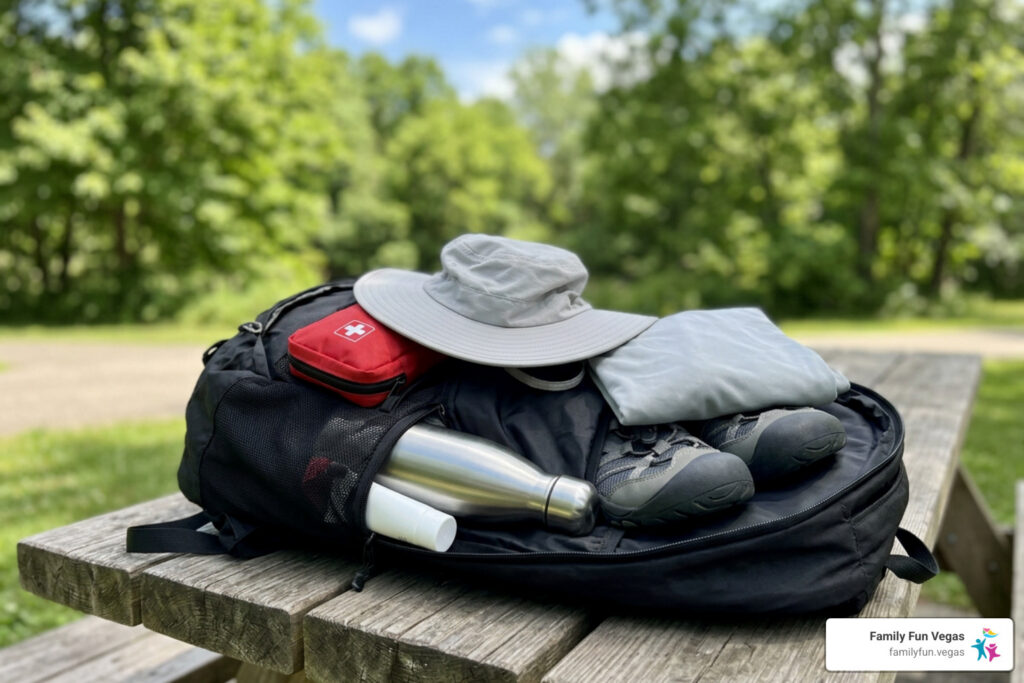
The secret to a successful outdoor trip comes down to preparation. Pack your daypack carefully so weather or minor scrapes do not ruin your trip.
Always pack broad-spectrum sunscreen, wide-brimmed sun hats, and specialized UV-blocking clothing for desert sun protection. Carry more water than you expect to drink using insulated hydration bladders or double-walled bottles. Sturdy, closed-toe water shoes protect feet along gravel beds, while a light first-aid kit keeps simple outings hassle-free.
Essential Safety and Comfort Best Practices for Outdoor Outings
Staying safe and comfortable requires a bit of pre-trip planning. Check weather forecasts before heading out, especially during peak summer months, and plan high-exertion activities for early morning hours.
| Season | Clothing Essentials | Hydration & Snacks | Recommended Gear |
|---|---|---|---|
| Summer | Lightweight UV shirts, sun hats, breathable shorts | Insulated water bottles, electrolyte packs, cooling snacks (fruit) | Wide-brim hats, sunscreen, water shoes, cooling towels |
| Fall / Spring | Layered cotton/synthetic shirts, comfortable walking shoes | Standard water bottles, trail mix, fruit leather | Adventure tool kit, field guides, picnic blanket |
| Winter | Windproof light jackets, warm socks, long pants | Warm thermoses (cocoa/cider), water bottles, protein snacks | Compact blanket, thermal seat pads, flashlight/headlamp |
Establish a clear hydration rule: drink water regularly throughout the trip rather than waiting until someone feels thirsty. Keep a simple safety kit tucked into your daypack equipped with adhesive bandages, antiseptic wipes, tweezers for thorn removal, and lip balm.
Frequently Asked Questions About Outdoor Family Activities
What are easy outdoor family activities for small yards or budget constraints?
You do not need a large yard or a large budget to enjoy fresh air. Simple, low-cost activities include creating sidewalk chalk obstacle courses, drawing chalk towns for toy cars, cloud watching on a lawn blanket, or starting a small patio container garden using seeds. Backyard scavenger hunts and bird watching with free phone apps are also fantastic zero-cost options.
How can parents motivate screen-focused children to play outside?
The easiest way to transition kids away from screens is by handing them interactive physical tools, such as magnifying glasses, insect jars, or camera phones for a photography hunt. Using gamified prompts—like picking daily outdoor activity challenges out of a jar—gives kids clear direction and keeps them engaged.
How do families safely handle hot summer temperatures during outdoor outings?
In hot desert climates, schedule outdoor outings for early morning hours before heat peaks, or shift toward late evening activities like sunset picnics and stargazing. Stick to locations with shaded play structures, splash pads, or cool water features, and take frequent rest breaks in shaded areas while drinking plenty of water.
Conclusion
Building strong habits around outdoor family activities is one of the best ways to keep your family active, connected, and grounded. Whether you are splashing around at a local water spot, spotting wildlife along neighborhood trails, or spending a simple “Green Hour” in your backyard, these shared moments create lasting family memories.
At Family Fun Vegas, we are here to help you skip the planning stress and discover the best local parks, shaded spots, and family-friendly events near you. Check out our comprehensive Parks Guide today to plan your family’s next fresh-air adventure!