
Pedestrian and Roadway Safety in Southern Nevada
To keep children safe on Halloween in Southern Nevada, parents should equip kids with high-visibility reflective gear, cross streets strictly at marked corners, inspect all treats before consumption, and wrap up festivities by Clark County’s 9:00 p.m. curfew. Roadway awareness is critical: nationally, children are more than twice as likely to be struck and killed by a vehicle on Halloween than on other days. In Clark County, statistics show that 63% of pedestrian fatalities happen on streets without marked crosswalks, and 76% occur after dark.
Peak trick-or-treating hours run between 5:30 p.m. and 9:30 p.m., overlapping heavily with evening commuter traffic between 6:00 p.m. and 7:00 p.m. To ensure everyone gets home safely, parents must review Parental advice for roadway safety during Halloween trick-or-treating and practice defensive walking habits with their children.
Halloween Safety Tips Every Las Vegas Parent Should Know for Street Crossing
Crossing residential streets safely requires deliberate habits. Excited trick-or-treaters often feel the urge to dart across roadways to reach an elaborately decorated house, but mid-block crossings pose the single greatest danger to young pedestrians.
Here are essential street-crossing rules to establish before leaving your driveway:
- Cross Exclusively at Corners and Crosswalks: Teach children never to cut between parked cars or step off curbs mid-block. Always cross at designated intersections where drivers naturally look for pedestrian traffic.
- Establish Direct Eye Contact: Never assume a motorist sees your family just because their vehicle slows down. Wait for complete stops and look the driver in the eye before stepping into the street.
- Walk, Never Run: Running increases the likelihood of tripping on curbs or darting into blind spots. Keep a brisk, steady walking pace.
- Stay on the Sidewalks: Always utilize paved sidewalks. If your neighborhood lacks sidewalks, walk along the far left edge of the street, facing oncoming traffic so you can see approaching vehicles clearly.
- Practice Rule of Hand-Holding: Children under age 12 should never cross streets without an adult holding their hand or walking immediately alongside them.
For official municipal recommendations, review the Halloween Safety Tips provided by local safety marshals.
The Clark County Inside by 9 Campaign and Curfew Timing
To reduce pedestrian risks during late-night hours, Clark County promotes its annual safety initiative encouraging families to conclude outdoor festivities early. The Inside By 9 campaign urges parents, children, and neighbors to finish all neighborhood trick-or-treating by 9:00 p.m.
Wrapping up by 9:00 p.m. significantly lowers risk because residential vehicle speeds often increase later in the night, neighborhood visibility plummets, and younger trick-or-treaters become fatigued. Neighbors are encouraged to turn off their porch lights at 9:00 p.m. to signal that festivities have ended for the night.
| Age Group | Recommended Trick-or-Treat Hours | Supervision Level Required | Primary Safety Focus |
|---|---|---|---|
| Toddlers & Preschoolers (Ages 0–4) | 5:00 p.m. – 6:30 p.m. (Daylight) | 1:1 Direct Adult Supervision | Choking prevention, avoiding tripping hazards |
| Elementary (Ages 5–9) | 5:30 p.m. – 7:30 p.m. (Dusk) | Close Adult Supervision in Small Groups | Crosswalk safety, reflective gear, holding hands |
| Pre-Teens (Ages 10–12) | 6:00 p.m. – 8:30 p.m. (Early Night) | Adult-Chaperoned Groups | Sidewalk navigation, flashlight usage, staying together |
| Teens (Ages 13+) | 6:00 p.m. – 9:00 p.m. (Inside by 9) | Independent with Buddy System & Check-ins | Fixed route adherence, mobile check-ins, curfew compliance |
Essential Costume and Visibility Guidelines

Costume design plays a direct role in how well drivers and other pedestrians spot your children. While dark fabrics fit spooky themes, they blend entirely into poorly lit desert neighborhoods once the sun sets over the Spring Mountains.
Parents can blend creativity with visibility by applying retro-reflective tape to costume hems, treat buckets, and sleeves. Retro-reflective material bounces headlights directly back to drivers, giving them ample stopping distance.
Halloween Safety Tips Every Las Vegas Parent Should Know About Costume Visibility
Enhancing visibility does not require ruining the look of a costume. You can incorporate functional lighting directly into the outfit’s aesthetic:
- Integrate Glow Gear: Hand out glow necklaces, bracelets, or clip-on LED safety strobes that attach to backpacks and treat buckets.
- Carry Real Flashlights: While smartphone lights work in a pinch, dedicated high-lumen flashlights or LED lanterns illuminate sidewalks far better and help kids spot uneven pavement.
- Equip Strollers and Wagons: If you are pulling toddlers in a wagon, line the wagon perimeter with battery-operated fairy lights or mount a bright camping lantern to the frame.
- Hem Costumes Properly: Long hems, capes, and trailing gowns cause severe tripping accidents on neighborhood sidewalks. Hem fabrics so they sit safely above the ankles.
- Select Flame-Resistant Fabrics: Always check garment tags for flame-resistant polyester or nylon, keeping kids safe around porch luminaries and outdoor fire pits.
If you are putting together outfits for the entire household, check out our favorite 50 Trending Family Kid-Friendly Halloween Costume Ideas 2025 for practical and creative inspiration.
Choosing Safe Accessories and Breathable Face Paint
Traditional plastic masks are notorious for sliding around, fogging up, and cutting off a child’s peripheral vision. When kids cannot see out of the sides of their eyes, they are far more likely to misstep off a curb or fail to see an approaching bicycle or car.
- Ditch Full-Face Masks: Replace rigid masks with high-quality, non-toxic, hypoallergenic face paint or cosmetic makeup. This preserves your child’s complete field of vision and keeps them comfortable.
- Test Makeup Early: Always apply a small dab of costume makeup to your child’s arm several days before Halloween to test for skin allergies or irritation.
- Choose Soft, Flexible Props: Swords, magic wands, and scythes should be made of flexible foam, lightweight plastic, or cardboard. Rigid metal or hard plastic accessories can cause accidental eye injuries or puncture wounds if a child falls.
Halloween Safety Tips Every Las Vegas Parent Should Know for Candy Inspection and Food Allergies

Before your kids dig into their sweet haul, establish a firm household rule: no treats are eaten until an adult inspects everything at home under bright light. Giving your children a substantial, healthy meal before leaving the house prevents them from sneaking uninspected candies along the sidewalk.
Reviewing the Southern Nevada Health District recommendations helps parents stay alert to proper food safety, packaging integrity, and temperature controls for perishable treats.
Checking Packaging Seals and Preventing Choking Hazards
Once home, empty the collection bags onto a clean kitchen counter or table for a thorough inspection:
- Examine Factory Packaging: Look closely for torn wrappers, pinholes, loose seals, unusual discoloration, or signs of re-wrapping. Discard any item with damaged packaging immediately.
- Watch for Lookalike Edibles: In Nevada, regulated cannabis products must be packaged securely, but commercial THC treats can mimic familiar candy logos and fruit snacks. Check every label carefully for state cannabis warning symbols (such as “THC” or a diamond warning icon), milligrams per serving, or unfamiliar boutique brand names.
- Separate Choking Hazards for Young Kids: Hard candies, whole nuts, chewing gum, small round chocolates, and chewy caramels pose severe choking risks for children under four. Swap these out for soft, age-appropriate snacks.
- Discard Unwrapped or Homemade Goods: Unless homemade cookies or baked goods come directly from close friends or immediate family members, politely dispose of them.
Food Allergies and Safe Neighborhood Treat Alternatives
For families managing severe food allergies, Halloween requires heightened vigilance. Many miniature or “fun size” candies contain different ingredients or are processed on different manufacturing lines than their standard full-sized counterparts.
- Read Labels Thoroughly: Never rely on memory. Check the ingredient panel of every miniature candy package for peanuts, tree nuts, milk, soy, wheat, and egg warnings.
- Look for Teal Pumpkins: Homes displaying a teal-painted pumpkin or teal window sign offer non-food treats—such as stickers, glow rings, mini bubbles, or small toys—making them safe stops for children with dietary restrictions.
- Prepare a Switch Witch Bag: If your child collects treats they cannot eat due to allergies, have a pre-purchased bag of allergen-safe candies, books, or small toys ready at home so they can trade their restricted haul without feeling left out.
Planning Secure Neighborhood Routes and Safe Community Alternatives
A successful Halloween depends on choosing the right location and route. Mapping your path before sundown keeps everyone on track and prevents your group from straying onto poorly lit thoroughfares or unfamiliar streets. Helpful guidelines from the Red Cross emphasize staying within familiar residential subdivisions and setting clear boundaries.
Selecting Well-Lit Residential Streets and Neighborhood Treat Maps
When taking part in Trick or Treat outings, prioritize subdivisions that feature wide sidewalks, low speed limits, cul-de-sacs, and active neighborhood lighting.
- Establish a Looped Path: Plan a continuous walking loop rather than crisscrossing back and forth across wide avenues. This reduces street crossings to an absolute minimum.
- Only Approach Lit Homes: Teach children to approach only homes with exterior porch lights on. Darkened homes indicate the homeowner is away, out of candy, or not participating.
- Never Cross the Threshold: Children should always wait outside on the porch or driveway. Instruct them never to step inside a stranger’s house or garage, no matter how friendly the invitation.
- Use Emergency ID Tags: For younger kids, slip an emergency card containing your name, phone number, and home address inside their costume pocket or attach a discreet ID bracelet. For pre-teens walking with friends, ensure cell phones are fully charged and location-sharing apps are activated.
Exploring Controlled Trunk-or-Treat Gatherings and Fall Festivals
If you prefer an environment completely free from moving roadway traffic, Southern Nevada offers dozens of organized community events. Community Trunk or Treat gatherings host decorated vehicle trunks in closed, secure parking lots, providing a contained walking loop ideal for toddlers and young children.
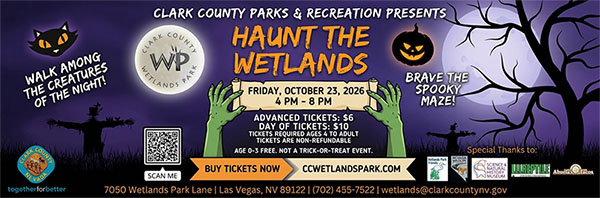
To plan your seasonal itinerary across Southern Nevada, browse our comprehensive guide to Halloween Events Las Vegas. You will discover community gatherings throughout the valley, from neighborhood celebrations to harvest festivals.
Frequently Asked Questions About Las Vegas Halloween Safety
What age can children trick-or-treat without adult supervision in Clark County?
Safety experts, pediatricians, and local authorities recommend that children under 12 years old always be accompanied by a responsible adult. Kids aged 12 and older who demonstrate mature judgment may travel with a trusted group of peers, provided they stick to a pre-approved route, carry charged cell phones, use flashlights, and follow a strict check-in schedule and curfew.
What is the Inside by 9 campaign in Clark County?
The Inside by 9 campaign is an annual public safety initiative spearheaded by Clark County and local safety advocates. It encourages all families to conclude their neighborhood trick-or-treating by 9:00 p.m. to clear residential streets before late-night hours, reducing pedestrian risks and promoting neighborhood quiet hours.
What are the peak hours for trick-or-treating traffic accidents in Las Vegas?
The highest risk window for child pedestrian accidents on Halloween falls between 5:30 p.m. and 7:30 p.m. This period coincides directly with the transition from daylight to dusk and overlaps with evening commuter rush-hour traffic in residential neighborhoods.
Conclusion
Halloween creates unforgettable childhood memories, full of imagination, community spirit, and sweet rewards. By following basic safety practices—wearing bright and reflective gear, using designated crosswalks, inspecting candy carefully at home, and respecting the 9:00 p.m. curfew—you can ensure your family enjoys a night filled only with good fun.
At Family Fun Vegas, our mission is to provide local parents with trusted recommendations and clear guidance to make family life across the valley enjoyable and stress-free. To find seasonal gatherings, harvest festivals, and holiday activities all year long, visit our Family Fun Vegas events calendar to plan your next family adventure.